
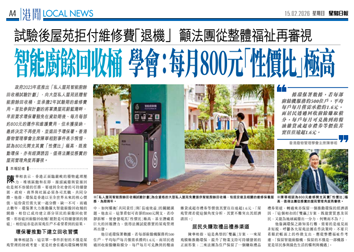
Food Waste
Every day, massive amounts of perfectly good food end up in landfills, contributing significantly to greenhouse gas emissions and wasting valuable natural resources. Addressing the food waste crisis requires a fundamental shift in how businesses, restaurants, and households manage their daily consumption.
Key Strategies for Reduction:
-
Smart Inventory Management: Encouraging commercial kitchens and retailers to optimize their purchasing and storage practices to drastically reduce surplus and spoilage.
-
Community Redistribution: Partnering with local charities, food banks, and volunteer organizations to ensure that safe, unsold food is redirected to those in need rather than thrown away.
-
Composting and Bio-Energy: Transforming unavoidable organic waste into nutrient-rich compost for local agriculture or processing it into biogas, keeping it out of conventional landfills.
Reducing food waste is a collective social and environmental responsibility. By implementing these straightforward practices, we can build a more sustainable, circular food system that benefits both our community and the planet. Let’s work together to make food waste a thing of the past.